Otto Trucker Hat Mockup: A Designer's Real-World Review
As a designer who spends more time staring at stitch maps than most people stare at their phones, I approach every new asset with a healthy dose of skepticism. We have all been there: you download a digital embroidery file or a visual template that looks stunning on the screen, only to realize once the needle hits the fabric that the proportions are off or the details are too dense for the material. Recently, I got my hands on the Otto Trucker Hat Mockup to evaluate its viability for real-world projects. This isn't just a pretty picture; it is a tool for trucker hat branding and visualization that needs to hold up under the scrutiny of a paying client.
First Impressions: Structure and Visual Personality
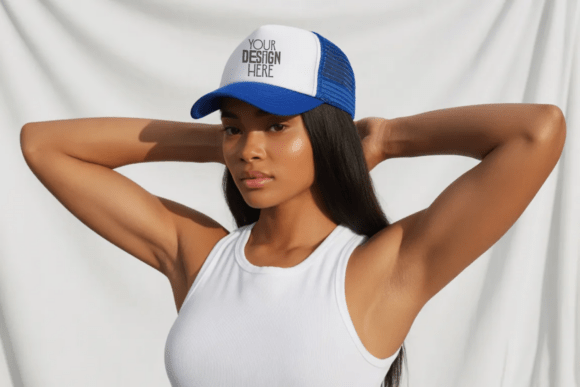
The moment you load the Otto Trucker Hat Mockup, the first thing that strikes me is the authenticity of the silhouette. Too many templates feel sterile, like a plastic mannequin head that has never seen sunlight. This graphic, however, captures that lived-in, slightly structured vibe that defines the modern trucker cap aesthetic. The mesh back and the foam front panel are rendered with enough texture to give you a genuine sense of how a trucker hat embroidery design will sit on the curve of the crown.
For those of us creating design assets for clients, mood matters. This mockup exudes a casual, rugged, yet professional atmosphere. It feels right for outdoor brands, coffee shops, breweries, and lifestyle boutiques. The lighting in the template highlights the curvature of the brim effectively, which is crucial when you are trying to sell the idea of a trucker hat logo template to a customer who might not understand how flat art translates to a 3D surface. It bridges the gap between a digital concept and a tangible finished product.
Real-World Application: From Screen to Stitch
Let's talk about a specific scenario. Imagine you are an Etsy seller preparing a launch for a new line of custom gear for a local hiking group. You have the machine embroidery design ready, but you need to show the client exactly where the logo will land before you commit to stitching ten caps. Using the Otto Trucker Hat Mockup here is a game-changer. It allows you to place your artwork in context, showing the scale relative to the front panel.
Beyond just hats, this visual tool helps in planning broader custom apparel lines. If you are offering a bundle that includes a sweatshirt embroidery option alongside the cap, having a consistent visual style across your printable mockup gallery builds trust. Customers want to see how their personalized gift or small shop product will look in reality. When I tested placing a bold, block-letter logo onto the mockup, the perspective lines guided my eye naturally, confirming that the design wouldn't look distorted once stitched onto the curved foam.
This is particularly valuable for commercial embroidery projects where presentation is everything. A high-quality trucker hat patch mockup or badge visualization can be the difference between a client approving a proof immediately or asking for three rounds of revisions. It sets expectations correctly regarding how the thread colors will pop against the specific fabric tone of the hat.
Navigating Technical Challenges in Embroidery
While the mockup itself is a graphic within the Apparel Mockups category, using it as a reference for actual stitching requires some technical forethought. The trucker hat is a notorious challenge in the embroidery world. Unlike a flat tote bag design or a stable pillow cover, the front panel of a trucker hat is often curved and made of foam-backed fabric.
When adapting a design seen in the Otto Trucker Hat Mockup for actual production, you must consider stitch density. If your embroidery file is too dense, the needle will perforate the foam excessively, leading to a stiff, puckered result that looks nothing like the crisp image in the template. For small hoop sizes, which are standard for caps, intricate corners and tiny lettering can easily turn into a bird's nest of thread. I always advise running a test on scrap fabric that mimics the weight and texture of the hat panel.
Furthermore, pay attention to the stabilizer. The mockup makes everything look smooth, but in reality, you are fighting gravity and the stretch of the mesh backing. A cut-away stabilizer is usually non-negotiable here. Also, be wary of dark fabrics; while the mockup might show vibrant colors, certain thread shades can get lost on navy or black panels unless you use an underlay stitch effectively. Always check your design in a black-and-white view to ensure contrast holds up before you start stitching.
Enhancing Brand Value and Customer Trust
In the competitive landscape of craft business and handmade goods, perception is reality. The Otto Trucker Hat Mockup serves as a powerful tool for elevating your brand consistency. When your social media posts, website banners, and digital catalogs all utilize high-fidelity visuals, you signal professionalism. It tells the buyer that you care about the details, which translates to an assumption that you care about the quality of the handmade product they will receive.
For holiday embroidery gifts or wedding gifts, the emotional connection starts with the visualization. A bride seeing her monogram perfectly placed on a stylish trucker hat in a mockup is more likely to say "yes" to the add-on item. It helps them envision the finished product as part of their special day. Similarly, for baby embroidery or nursery decor, the softness implied by a well-rendered mockup can reassure parents about the comfort of the item, even if the actual stitching is on a stiffer cap material.
Practical Notes for the Serious Creator
Before you integrate the Otto Trucker Hat Mockup into your workflow, keep these practical tips in mind:
- Test on Scraps: Never run a new design on a final garment without testing the stitch density and registration on similar fabric first.
- Check Licensing: Ensure you understand the terms of use for the mockup itself. Are you allowed to use it for commercial previews? Most Graphics in this category allow it, but always verify.
- Contrast is Key: Review your thread colors against both light and dark background options in the mockup to ensure visibility.
- Hoop Compatibility: Confirm that your physical hoop size matches the area you are highlighting in the design.
- Detailed Inspection: Zoom in on small details like tiny text or fine lines in your applique design or satin work to ensure they won't blur when stitched.
Ultimately, the Otto Trucker Hat Mockup is more than just a digital placeholder; it is a strategic asset for the modern creator. Whether you are designing a trucker hat side view for a catalog or planning the stitch-out for a kitchen towel series, having a realistic visual reference grounds your creative process. It helps you anticipate problems, communicate value, and deliver a finished product that exceeds expectations. In a world where customers buy with their eyes first, tools like this are indispensable for turning a good idea into a great business.