Halloween T-Shirt Mockup: A Designer's Review
As a designer who spends more time staring at stitch charts than I do sleeping, I approach every new machine embroidery design with a mix of excitement and skepticism. We've all been there: you download a file that looks vibrant on the screen, only to find it turns into a puckered mess on actual fabric. That is why I took a close look at the Halloween T- Shirt Mockup. While this product is technically categorized under Product Mockups and Graphics, my interest lies in how these visual assets translate to the tangible world of thread and needle. Can a digital preview truly help us gauge the success of a finished embroidered product? Let's dig into the practical reality of using this asset for real-world craft business items.
First Impressions and Visual Mood
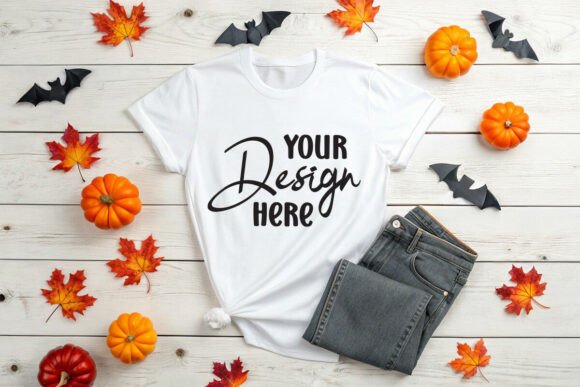
When I first opened the Halloween T- Shirt Mockup, the immediate impression was one of atmospheric readiness. Halloween is a tricky theme; it walks a fine line between spooky and silly, and the mood of your presentation needs to match your target audience. This mockup captures that seasonal essence without being overly cheesy. The layout provides a clean canvas that allows the viewer to focus entirely on the artwork or embroidery file you intend to showcase.
For those of us selling design assets or finished goods, the "visual personality" of a mockup is crucial. Does it feel premium? Does it look like something a customer would actually wear? This graphic succeeds because it mimics the drape and texture of a real garment. When you are preparing a custom apparel line for October, the context matters. Placing your satin stitch pumpkins or fill stitch ghosts onto a realistic tee helps clients visualize the finished product before they even commit to buying. It bridges the gap between a digital concept and a handmade product.
Real-World Application: The Boutique Sweatshirt Scenario
Let's move from theory to a concrete scenario. Imagine you are running a small Etsy shop, and a client wants a custom sweatshirt embroidery project for a family Halloween party. They have sent you a watercolor illustration they love, but they aren't sure how it will look stitched out. This is where the Halloween T- Shirt Mockup becomes an invaluable tool in your workflow.
Before you ever hoop a piece of fleece or cut a single piece of stabilizer, you can overlay your digitized design onto this mockup. It allows you to test scale and placement. Will that intricate applique design get lost on a dark heather grey sweatshirt? Will the tiny details of a running stitch outline hold up against the texture of the fabric? By using this graphic to present a proof to your client, you manage expectations effectively. You aren't just selling a shirt; you are selling a vision. If the mockup shows the design looking crisp and well-proportioned, it builds immediate trust. It tells the customer, "I know what I'm doing, and here is exactly what you are going to get."
This approach works equally well for tote bag design projects or embroidered patch collections. Whether you are creating holiday embroidery for kitchen towels or baby embroidery for a onesie, the ability to preview the item in a realistic setting saves time and reduces the risk of costly redo's. It transforms your craft business from a hobbyist operation into a professional boutique.
Navigating Fabric Textures and Stitch Density
However, a word of caution from experience: a mockup is a simulation, not a substitute for a test stitch-out. While the Halloween T- Shirt Mockup helps you visualize the aesthetic, it cannot replicate the physics of thread interacting with fabric. When you move from the screen to the machine, variables like stitch density become critical.
If you are working with a design that has heavy fill areas, you need to be mindful of the fabric you choose. On a thin t-shirt, high-density stitching can cause puckering, regardless of how good it looks in the printable mockup. Conversely, if you are using a textured fabric like a waffle knit or a heavy canvas tote, fine details might get swallowed up. This is why I always advise testing your digital embroidery file on scrap fabric first. Check the contrast of your thread colors against the material. A design that pops on the white background of a mockup might vanish on a black hoodie if you haven't adjusted your thread palette.
Pay special attention to curved surfaces if you are adapting these designs for caps or hats. The flat perspective of a standard t-shirt mockup doesn't account for the curvature of a cap brim. Similarly, if you are working with stretchy fabrics for custom apparel, ensure your stabilizer game is strong. No amount of beautiful presentation in a small shop product listing will save a design that warps after the first wash.
Elevating Brand Consistency and Customer Trust
In the crowded marketplace of online sellers, presentation is everything. Your Etsy seller profile or website is your storefront, and the images are your window display. Using a cohesive set of graphics like the Halloween T- Shirt Mockup ensures brand consistency. When a customer scrolls through your listings and sees a uniform, high-quality presentation style, it signals professionalism.
This consistency directly impacts buyer engagement. A cluttered or low-resolution image suggests a lack of care, while a sharp, well-composed mockup suggests a high-value personalized gift. It helps customers recognize your brand instantly. Furthermore, it aids in "giftability." When someone is shopping for a present, they want to see the item in a context that feels special. A well-styled mockup can evoke the feeling of unwrapping a treat, making the purchase decision easier.
Practical Notes for the Embroidery Designer
Before you finalize your embroidery project based on this visual aid, keep these practical steps in mind:
- Verify Licensing: Always check the license terms. Just because you can use the mockup to show your work doesn't always mean you can resell the mockup itself as a digital product. Confirm if it covers commercial embroidery usage for your finished goods.
- Test on Scrap: Never skip the test run. Verify that your hoop size accommodates the design without trimming essential elements.
- Check Contrast: View your design in black and white. If the details disappear in grayscale, they might get lost in low-light conditions or on certain fabrics.
- Inspect Small Details: Look closely at tiny lettering or intricate corners. These are the first things to fail if the digitizing isn't optimized for the specific fabric texture.
- Stabilizer Selection: Match your stabilizer to the fabric weight, not just the design. A heavy design on a light shirt needs serious support.
The Halloween T- Shirt Mockup is a solid tool in the arsenal of the modern maker. It streamlines the communication between designer and client and elevates the perceived value of your small shop product offerings. However, remember that the true magic happens under the needle. Use the graphic to sell the dream, but rely on your skills and testing to deliver the reality. When you combine smart digital presentation with expert stitching, you create a finished product that stands out in any season.