Necktie Canva Frame Mockup: A Designer's Review
As a designer who spends more time staring at stitch maps than most people care to admit, I approach every new machine embroidery design with a healthy dose of skepticism. We have all been there: you download a file that looks crisp on the screen, only to find it turns into a puckered mess once the needle hits the fabric. That is why I took a close look at the Necktie - Canva Frame Mockup for POD. While this item lives primarily in the Product Catalogs under Graphics, my interest wasn't just in the digital aesthetic. I wanted to know if this visual asset could genuinely translate into a viable embroidery project for real-world applications like custom apparel and boutique merchandise.
First Impressions and Visual Personality
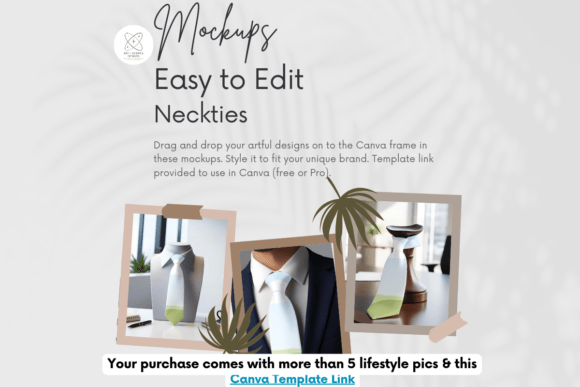
The first thing that strikes you about the Necktie - Canva Frame Mockup for POD is its clean, professional silhouette. In the world of design assets, simplicity often wins, especially when you are trying to convey a specific brand identity. The necktie shape suggests formality, business, or perhaps a whimsical "dressed up" theme for children's wear. When evaluating this as a potential pattern for stitching, the layout feels balanced. It doesn't scream for attention with overly complex details that might get lost in translation; instead, it offers a solid foundation.
For an Etsy seller or a craft business owner, the mood this graphic creates is versatile. It can easily pivot from a corporate gift idea to a playful element on a baby's bib. The visual personality is structured yet adaptable. If you were to convert this frame concept into an actual digital embroidery file, the strong lines suggest it would handle well with a combination of satin stitch borders and a light fill stitch interior. However, since this is technically a mockup graphic intended for platforms like Printify and MWW, the real value lies in how you use it to preview your finished goods before committing thread to fabric.
Real-World Application Scenarios
Let's talk about a concrete scenario. Imagine you are preparing a line of personalized gifts for a wedding party. You need to create cohesive items for the groomsmen that feel high-end but not identical to off-the-rack accessories. Using the Necktie - Canva Frame Mockup for POD as a visual guide, you could plan an embroidered patch or a direct stitch on a pocket square. The frame aspect of the design allows you to insert monograms or dates, turning a simple graphic into a personalized gift that tells a story.
I also see this working exceptionally well for tote bag design concepts. A tote bag meant for carrying laptops or documents benefits from that professional necktie motif. If you are running a small shop product line focused on office accessories, this graphic helps you visualize how the final finished product will look on canvas or heavy cotton. For sweatshirt embroidery, placing this motif on the chest or sleeve adds a touch of preppy charm. The key here is scale. Because the design relies on a recognizable shape, it maintains its integrity whether it is scaled down for a baby embroidery project on a onesie or scaled up for a decorative pillow cover.
Furthermore, for those selling printable mockup services or digital previews, this tool is invaluable. It allows you to show clients exactly where their logo or text will sit within the necktie frame, building trust before a single stitch is made. This level of clarity enhances brand consistency and boosts buyer engagement because customers can visualize the end result immediately.
Technical Considerations for Stitching
While the graphic is stunning, translating it into a physical handmade product requires careful thought. If you decide to recreate this necktie frame as an actual applique design or standard embroidery, you must consider stitch density. A solid fill across the entire tie shape on a stretchy fabric like a t-shirt could lead to warping. In such cases, I recommend using a lighter fill or even a running stitch texture to keep the fabric breathable and flexible.
You also need to be mindful of hoop size limitations. If your machine has a small hoop, the length of a traditional necktie might require re-hooping, which introduces alignment risks. For curved surfaces like caps, this design might need significant modification to sit flat without gaps. Additionally, when working on dark fabric, ensure your thread colors provide enough contrast. A navy tie on a black sweatshirt will vanish unless you use metallic thread or a contrasting border.
Another critical factor is the stabilizer. Since a necktie shape often implies a certain level of crispness, using a cut-away stabilizer is usually safer than tear-away, especially for items that will undergo frequent washing, like custom apparel or kitchen towels. Detailed corners in the knot area of the tie could become dense clumps of thread if the digitizing isn't precise, so always inspect small details closely.
Designer Notes and Best Practices
Before you launch this as part of your commercial embroidery offerings, I strongly advise testing the design on scrap fabric first. Do not skip this step. Check how the fabric texture interacts with the stitches; linen behaves very differently than polyester blends. It is also wise to test the design in black and white mockups to ensure the shape holds up without relying on color cues.
Review the licensing terms carefully. Since this is listed under Graphics for POD, confirm whether the license allows you to sell the stitched physical item or if it is strictly for digital mocking purposes. Misunderstanding these terms can cause legal headaches for any creative entrepreneur. Finally, compare how the design looks on both light and dark backgrounds to ensure versatility in your product lineup.
In conclusion, the Necktie - Canva Frame Mockup for POD is a robust tool for visualization and planning. It bridges the gap between digital concept and physical reality, helping designers create better holiday embroidery gifts, boutique branding elements, and everyday wearables. By respecting the technical limits of embroidery machines and understanding the nuances of fabric behavior, you can turn this simple graphic into a standout feature of your catalog.