Review: Wind Spinner SVG for Real Embroidery Projects
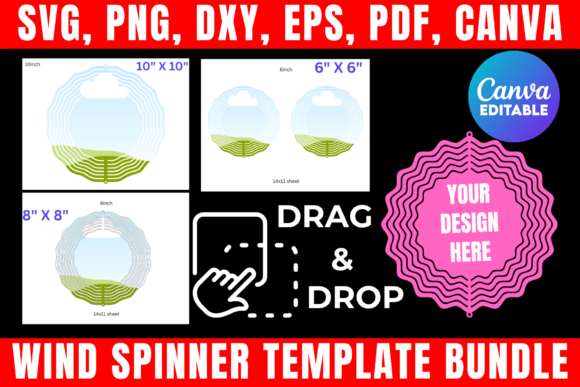
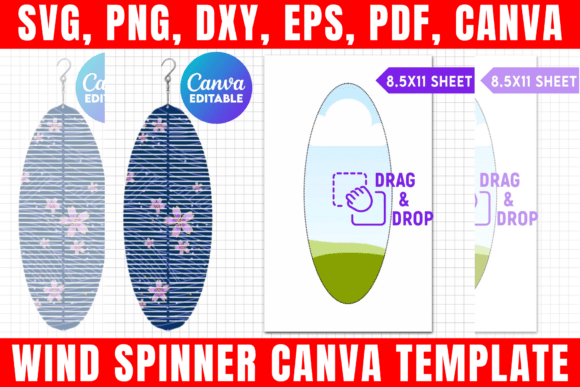
As a designer who spends more time at the hoop than away from it, I approach every new Wind Spinner Template, Wind Spinner SVG with a specific set of questions. It is not just about whether the image looks cute on a screen; it is about how those lines translate into thread, how the density sits on fabric, and whether the final product will hold up to the scrutiny of a paying customer. When I first opened this file, my immediate impression was one of airy movement. The design captures that whimsical, spiraling energy of a garden wind spinner, but the real test is always in the stitching.
First Impressions and Visual Personality
The visual personality of this Wind Spinner SVG leans heavily into modern boho and outdoor garden aesthetics. The lines are fluid, suggesting motion even when static. For an embroidery project, this is both a blessing and a challenge. Fluid lines often require careful digitizing to prevent jagged edges in satin columns or gaps in fill areas. Upon closer inspection, the layout feels balanced, making it suitable for central placement on items like tote bags or pillow covers. However, the level of detail suggests that this is not a "set it and forget it" file. It demands attention to thread choice and fabric texture to truly shine.
For those of us selling Print Templates or Graphics alongside physical goods, the versatility here is notable. The clean lines make it an excellent candidate for sublimation mockups if you are offering a hybrid product line, but its primary strength lies in its potential as a machine embroidery design. The mood it creates is light, cheerful, and slightly nostalgic—perfect for spring collections or holiday gifts that need to feel handmade rather than mass-produced.
Real-World Application: The Custom Tote Scenario
To give you a concrete idea of how this works, let's walk through a real-life scenario. Imagine a client orders a custom embroidered tote bag for a local farmer's market vendor. They want something that screams "fresh air" and "outdoor living." This is where the Wind Spinner Template, Wind Spinner SVG fits perfectly. I would likely pair this design with a natural canvas tote, using earthy thread colors like sage green, terracotta, and soft cream.
In this context, the design performs well because the open spaces in the spiral allow the canvas texture to peek through, adding depth to the finished product. If I were to use this on a sweatshirt embroidery project, I would need to be more cautious. Sweatshirt fleece has a lot of loft, and fine details can get lost. For a hoodie, I might scale the design up slightly to ensure the curves remain smooth and the stitch density doesn't cause the fabric to pucker. The key here is understanding that what looks sharp on a digital preview might behave differently on a textured surface.
For baby embroidery projects, such as a nursery wall hanging or a blanket, the gentle curves are ideal. There are no harsh angles that might look aggressive, making it a safe and charming choice for a child's room. However, if you are planning to use this for an embroidered patch, you must ensure the border is defined enough to stand alone without a background fabric. Patches require higher density and often a merrowed edge, so check if the file includes a dedicated border layer or if you need to add one in your editing software.
Navigating Fabric and Hoop Constraints
While the design is versatile, there are specific situations where you need to exercise caution. Small hoop sizes can be tricky with spiraling designs. If the wind spinner is too large for your hoop, you might be forced to split the design, which can ruin the continuous flow of the spiral. Always measure your hoop size against the design dimensions before committing to a project.
Textured fabrics and stretchy materials also require extra prep work. On a cap or hat, the curved surface can distort long satin stitches. If you attempt this Wind Spinner SVG on a structured cap, ensure you are using a stiff stabilizer to prevent the design from sinking into the fabric. Similarly, on dark fabrics, the contrast becomes critical. A light-colored thread on a navy blue jacket looks stunning, but if the stitch density is too low, the dark fabric will show through, making the design look sparse and unfinished.
Thin fabrics like silk or lightweight linen present another hurdle. High stitch density can cause puckering or tearing. In these cases, I recommend testing the design on scrap fabric first. Check the tension and consider reducing the density if your embroidery software allows, or switch to a lighter weight thread. Tiny lettering often accompanies these templates; if this file includes text, verify that the small details are readable after stitching. Fine serif fonts often disappear under thread, so a simple sans-serif is usually safer for commercial embroidery projects.
Enhancing Brand Value and Customer Trust
From a business perspective, the quality of your design assets directly impacts your brand consistency. Using a well-executed Wind Spinner Template, Wind Spinner SVG can elevate your Etsy listings and craft fair products. Customers can tell the difference between a design that was thoughtfully placed and stitched versus one that was rushed. A clean, professional finish builds trust. When a buyer receives a personalized gift that looks polished, they are more likely to return or recommend your small shop product to friends.
The visual appeal of this design also aids in marketing. It photographs well for printable mockups and social media previews. The dynamic shape draws the eye, increasing buyer engagement on platforms like Instagram or Pinterest. For digital product sellers, offering this as part of a bundle with matching sublimation files could increase the perceived value of your store. However, always confirm licensing terms before selling finished items or digital products. Some creators allow personal use only, while others permit commercial sales with restrictions.
Practical Notes for the Working Designer
Before you start stitching, here are a few non-negotiable steps I take with every new file:
- Test on Scrap: Never run a new design on your final garment without a test run on similar fabric.
- Check Contrast: View the design in black and white to ensure the shapes are distinct without relying on color.
- Stabilizer Selection: Match your stabilizer to the fabric weight; cut-away is often safer for stretchy garments than tear-away.
- Thread Quality: Use high-quality thread colors to prevent breakage, especially in dense fill areas.
- License Verification: Double-check the license to ensure you are compliant for commercial embroidery or resale.
If specific details like exact stitch count, file formats, or machine compatibility are not clearly provided in the product description for the Wind Spinner Sublimation Template or Wind Spinner Mockup, advise your clients or check with the creator before purchase. Ambiguity here can lead to wasted time and materials.
In conclusion, this Wind Spinner Template, Wind Spinner SVG is a solid addition to a designer's library, provided it is treated with the respect a detailed embroidery project deserves. It offers a blend of artistic flair and practical utility that, when executed correctly, results in a finished product that feels both professional and deeply personal. Whether you are creating a holiday embroidery piece for a neighbor or building a inventory for your boutique, this design has the potential to spin some real magic—if you mind the details.