Happy Rabbit: Playful Fonts & Freebies for Blogs
As a digital publisher who spends hours tweaking pixel-perfect layouts, I know that the difference between a scroll-past and a click-through often comes down to typography. When I stumbled upon Happy Rabbit, my immediate instinct was to evaluate it not just as a cute graphic, but as a functional graphic design asset for real-world content marketing. In the crowded space of lifestyle blogging and affiliate marketing, your visual hierarchy dictates reader trust. This review breaks down how this specific typeface fits into a professional publishing workflow, from Pinterest pins to newsletter headers.
The Editorial Mood: Whimsy Meets Strategy
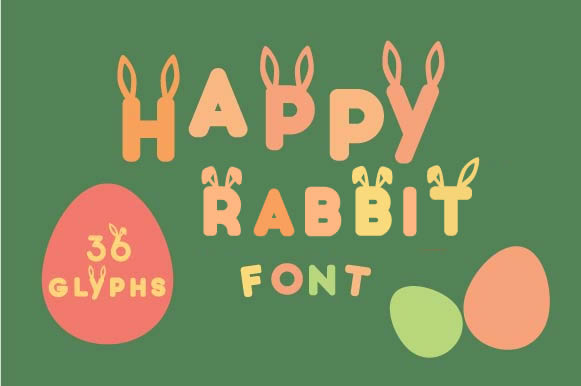
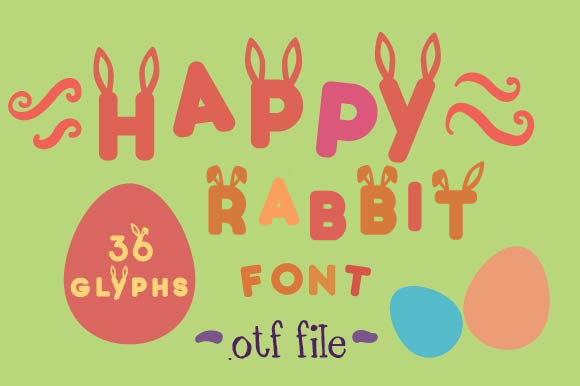
The first impression of Happy Rabbit is undeniably joyful. It carries a distinct seasonal energy, perfectly capturing the essence of spring and renewal. While the product description highlights its utility for Easter cards and nursery decals, from an editorial design perspective, it offers something more valuable: approachability. In a sea of sterile sans-serifs and overused scripts, this font injects a human, hand-crafted feel that resonates deeply with audiences in the parenting, crafting, and home decor niches.
However, we must look beyond the "cute" factor. For a blog designer, the question is always about versatility. Does it scream "holiday only," or can it serve as a year-round brand accent? Happy Rabbit leans heavily into the playful and decorative spectrum. It creates a mood that is feminine, artistic, and inviting. If your brand identity relies on warmth and community building, this font acts as a visual handshake. It tells the reader immediately that the content following the headline will be friendly, accessible, and likely focused on lifestyle improvements or creative projects.
Integrating Happy Rabbit into Your Publishing Workflow
Let's talk about practical application. I imagine a typical workflow for a content creator preparing a week's worth of assets. Here is where Happy Rabbit shines within a modern design stack:
- Pinterest Graphics: This is arguably the strongest use case. Pinterest thrives on vertical visuals with bold, readable text overlays. Using Happy Rabbit for the main hook on a pin about "Spring Cleaning Hacks" or "Easter Basket Ideas" creates an instant emotional connection. The bouncy letterforms stand out against photographic backgrounds, provided you use a solid color block or drop shadow for contrast.
- Blog Featured Images: For article headers, this font works best as a display element. Pair it with a clean, neutral serif or sans-serif for the sub-headline to maintain balance. This creates a sophisticated yet fun visual hierarchy that guides the eye without overwhelming the reader.
- Digital Products and Lead Magnets: If you are creating a digital guide, checklist, or printable planner, Happy Rabbit is excellent for cover titles and section dividers. It adds perceived value to free downloads, making them feel like premium digital products rather than generic PDFs.
- Social Media Stories: Use it for short, punchy captions in Instagram or Facebook stories. Its decorative nature makes it perfect for announcing sales, new blog posts, or behind-the-scenes glimpses where personality is key.
Boosting Click-Through Rates and Brand Recognition
Consistency is the backbone of small business branding. By adopting a unique font like Happy Rabbit for your seasonal campaigns, you create a recognizable visual signature. When a follower sees that specific bunny-eared "R" or the playful loop of the "g" on a Pinterest pin, they should instantly associate it with your brand. This familiarity breeds trust, which is the currency of affiliate marketing.
Furthermore, strong typography improves the perceived quality of your content. A well-designed website header or email banner using a cohesive font family suggests professionalism. Even though Happy Rabbit is whimsical, when used correctly with ample white space and high-quality imagery, it elevates the entire page. It signals to the reader that you care about the details, which translates to confidence in your recommendations and reviews.
Where to Exercise Caution
Every design asset has its limits, and respecting them is crucial for maintaining credibility. Happy Rabbit is a display font, meaning it is designed for headlines, not body copy. You should avoid using it for:
- Small Mobile Thumbnails: The intricate details and varying stroke widths may become muddy on small screens. If the text isn't legible at 200 pixels wide, the user will scroll past.
- Text-Heavy Layouts: Never use this for paragraphs. It causes eye fatigue and reduces readability significantly.
- Low-Contrast Backgrounds: Because of its playful, uneven baseline, it requires a clean background to pop. Placing it over busy patterns or low-resolution photos will make the text disappear.
- Serious Corporate Niches: If you are running a finance blog, legal advice site, or B2B tech publication, this font may undermine your authority. It is best reserved for lifestyle, education, parenting, and creative sectors.
Technical Notes for Web Performance and Licensing
Before you integrate Happy Rabbit into your Canva template library or web CSS, there are technical boxes to check. First, test the rendering on both desktop and mobile devices. What looks crisp on a Retina display might look jagged on an older Android device. Always preview your blog graphics in the actual environment where they will live.
Secondly, consider file size if you are converting text to images for web use. Ensure your exports are compressed properly to maintain fast load times, as site speed is a critical ranking factor. Finally, and most importantly, verify the licensing. Since this falls under the category of Freebies, confirm whether it includes a commercial license. If you plan to use it on monetized websites, in paid ads, or on physical products for sale, you must ensure the creator permits commercial digital download usage. Many free fonts are for personal use only, and violating this can lead to legal issues for your business.
Final Verdict for Content Creators
Happy Rabbit is a delightful addition to any designer's toolkit, specifically for those targeting the spring season or managing brands with a youthful, energetic voice. It transforms standard social media graphics into engaging visual stories and adds a layer of charm to printable designs that generic fonts simply cannot match. By pairing it with robust, readable supporting fonts and adhering to best practices for contrast and spacing, you can leverage this asset to create a cohesive, high-converting visual identity. Whether you are designing a newsletter header or a holiday sale banner, this font proves that functionality and fun can coexist in professional editorial design.