Golf Towel Mockup: Graphics for Social Media Templates
As a digital publisher who has spent years curating the visual identity of high-traffic blogs, I approach every new graphic design asset with a critical eye. It is not enough for a file to look good in isolation; it must perform within the chaotic ecosystem of a live website, a crowded social feed, and a competitive affiliate landscape. When I first opened the Golf Towel - Canva Frame Mockup for POD, my immediate reaction was one of relief regarding its utility for niche lifestyle content. This asset does not merely display a product; it establishes an editorial mood that feels active, leisure-focused, and undeniably premium.
The visual language here is distinct. It leans heavily into a modern, clean aesthetic that resonates deeply with the golfing demographic but extends naturally into broader lifestyle niches. For bloggers covering travel, men's fashion, outdoor recreation, or luxury hobbies, this mockup provides an instant context. It tells the reader, before they even click a headline, that the content is grounded in real-world application. In the world of content marketing, establishing that immediate connection between the visual and the user's aspiration is half the battle won.
Transforming Product Listings into Editorial Stories
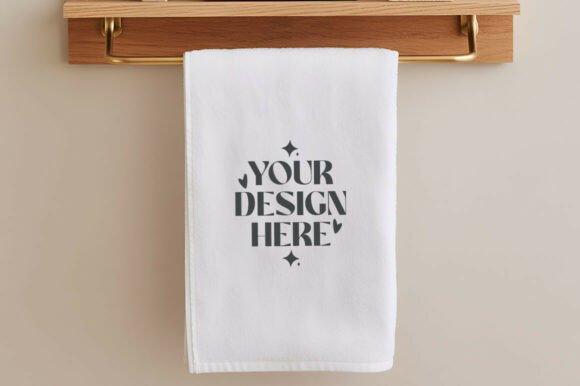
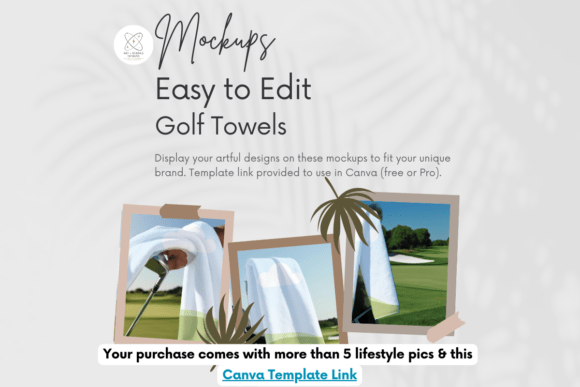
The primary strength of this Canva template lies in its ability to elevate standard product photography into something resembling a magazine spread. Too often, print-on-demand sellers rely on flat, sterile images that fail to inspire. By utilizing the Golf Towel - Canva Frame Mockup for POD, you can showcase designs on platforms like Printify and Merch by Amazon with a level of sophistication that usually requires a professional photoshoot. The frame functionality allows for seamless integration of your artwork, ensuring that the texture of the towel and the drape of the fabric remain the focal points while your design sits perfectly in place.
For those of us managing affiliate marketing campaigns, trust is the currency we trade in. When a reader sees a product presented in a high-fidelity environment, their guard drops. They are no longer looking at a digital commodity; they are visualizing the item in their own life. This psychological shift is crucial for conversion. Whether you are creating a "Best Golf Gifts" roundup or a dedicated review of custom apparel, using this asset signals professionalism. It suggests that you, the publisher, care about quality, which inadvertently transfers that perception of quality to the products you recommend.
Strategic Deployment Across Content Channels
In my workflow, versatility is king. A single asset must work harder to justify its place in my library. This mockup excels across multiple touchpoints in a publishing strategy:
- Pinterest Pins: The vertical composition possibilities within Canva make this ideal for creating scroll-stopping pins. The realistic texture adds depth that stands out against the sea of flat vector graphics typically found on the platform.
- Blog Featured Images: Instead of a generic stock photo, use this mockup to create a custom header that matches your specific article topic, improving visual hierarchy and relevance.
- Social Media Graphics: Perfect for Instagram stories or Facebook ads where showing the product in use drives higher engagement rates than a simple logo slap.
- Digital Guides and eBooks: If you are selling a digital download related to sports or lifestyle, using this mockup on the cover can increase perceived value.
- Newsletter Headers: Break up the text-heavy nature of email marketing with a crisp, branded image that reinforces your brand identity.
The description promises to elevate your print-on-demand business, and from an editorial standpoint, I agree. It transforms the mundane task of uploading designs into an act of creative storytelling. By showcasing your work on a tangible object like a golf towel, you bridge the gap between digital files and physical reality.
Optimizing for Performance and Reader Trust
Visual consistency is the backbone of a successful blog. When readers navigate from a Pinterest pin to a blog post, and then to a product page, the visual thread must remain unbroken. The Golf Towel - Canva Frame Mockup for POD supports this by offering a consistent style that can be adapted for various social media templates and graphics. This consistency builds recognition. Over time, your audience will associate this specific polished look with your brand, leading to better category recognition and stronger loyalty.
However, a seasoned designer knows that no asset is universal. There are scenarios where caution is required. Because this mockup relies on the texture and form of a towel, it may not suit text-heavy blog images where legibility is paramount. If you overlay too much copy, the natural folds of the fabric can interfere with readability. Similarly, for very serious corporate niches or highly minimalistic tech blogs, the sporty, tactile nature of a golf towel might feel out of place. It works best in lifestyle, hobbyist, and recreational contexts.
Practical Publisher Notes for Implementation
Before integrating this into your live site, I recommend a rigorous testing phase. First, view your creations on both desktop and mobile screens. What looks crisp on a 27-inch monitor can become muddy on a smartphone thumbnail. Check the contrast levels specifically; ensure your design pops against the towel's color without getting lost in the shadows of the folds.
Typography pairing is another critical factor. Test your headlines alongside serif fonts for a classic, editorial feel, or pair them with bold sans-serif fonts for a modern, athletic vibe. Script and handwritten fonts can add a personal touch but must be used sparingly to avoid clutter. Always review the file size before uploading. High-resolution mockups are great for print, but for web design, they must be compressed properly to maintain fast load times, which is a ranking factor for SEO.
Finally, always confirm the commercial license terms. While this asset is designed for commercial use, ensuring you have the right to use it on monetized websites, affiliate pages, or paid content products is non-negotiable for professional publishers. When used correctly, this creative design tool becomes more than just a picture; it becomes a strategic asset that enhances your small business branding and drives real results in the competitive creative marketplace.